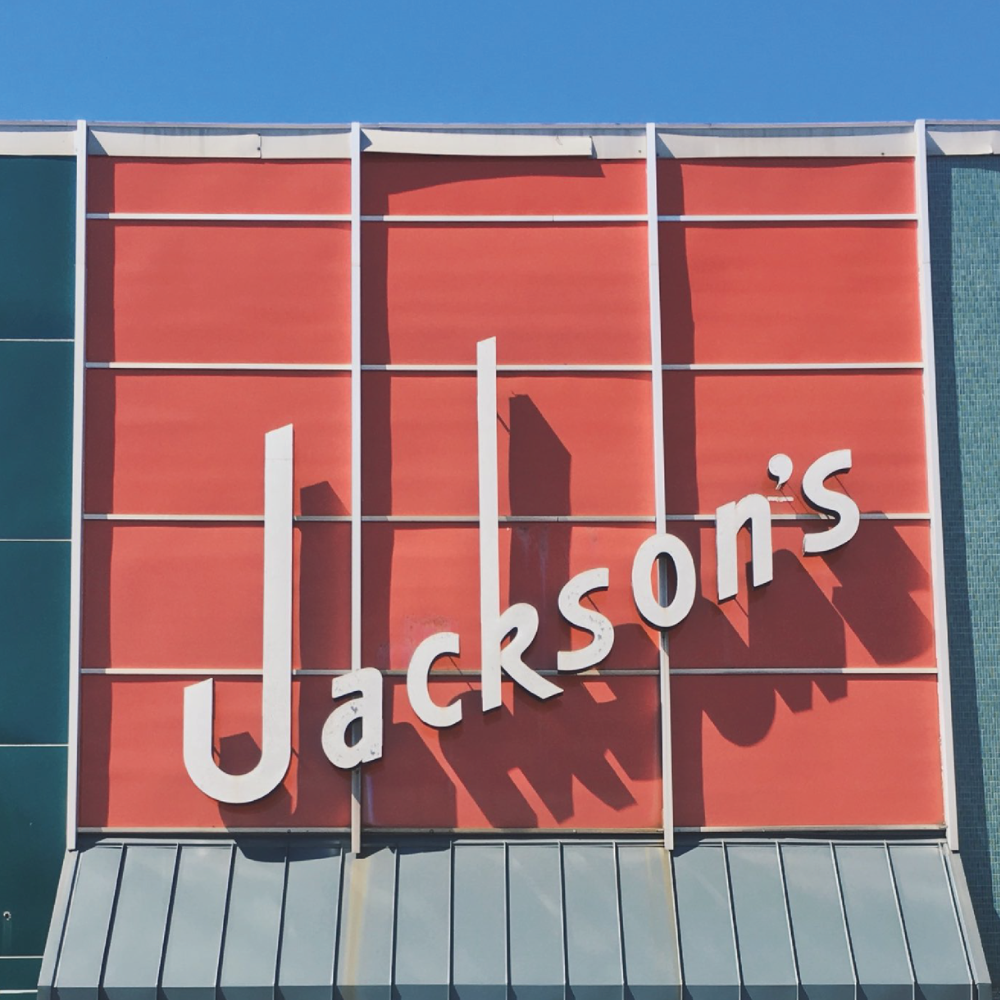
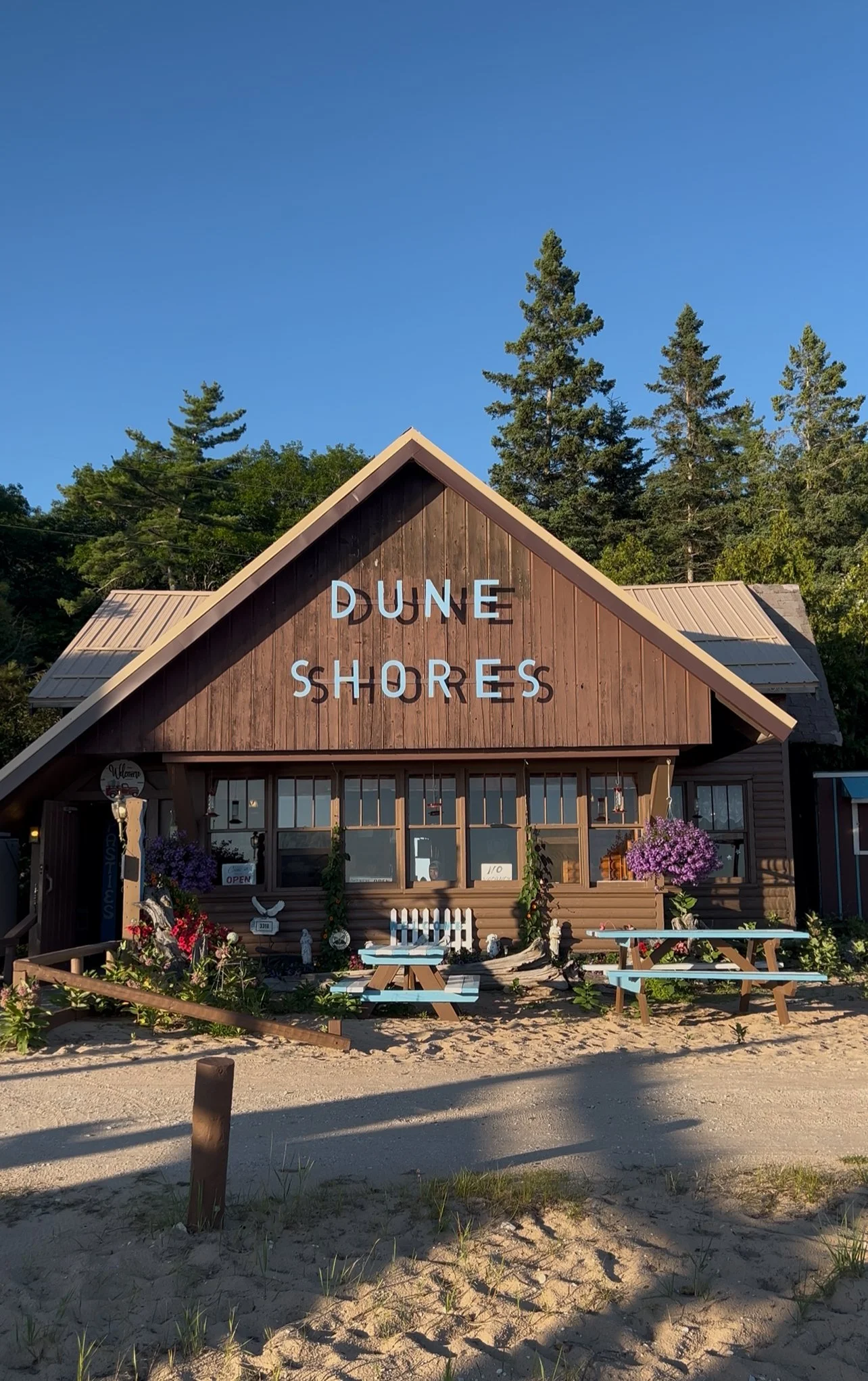
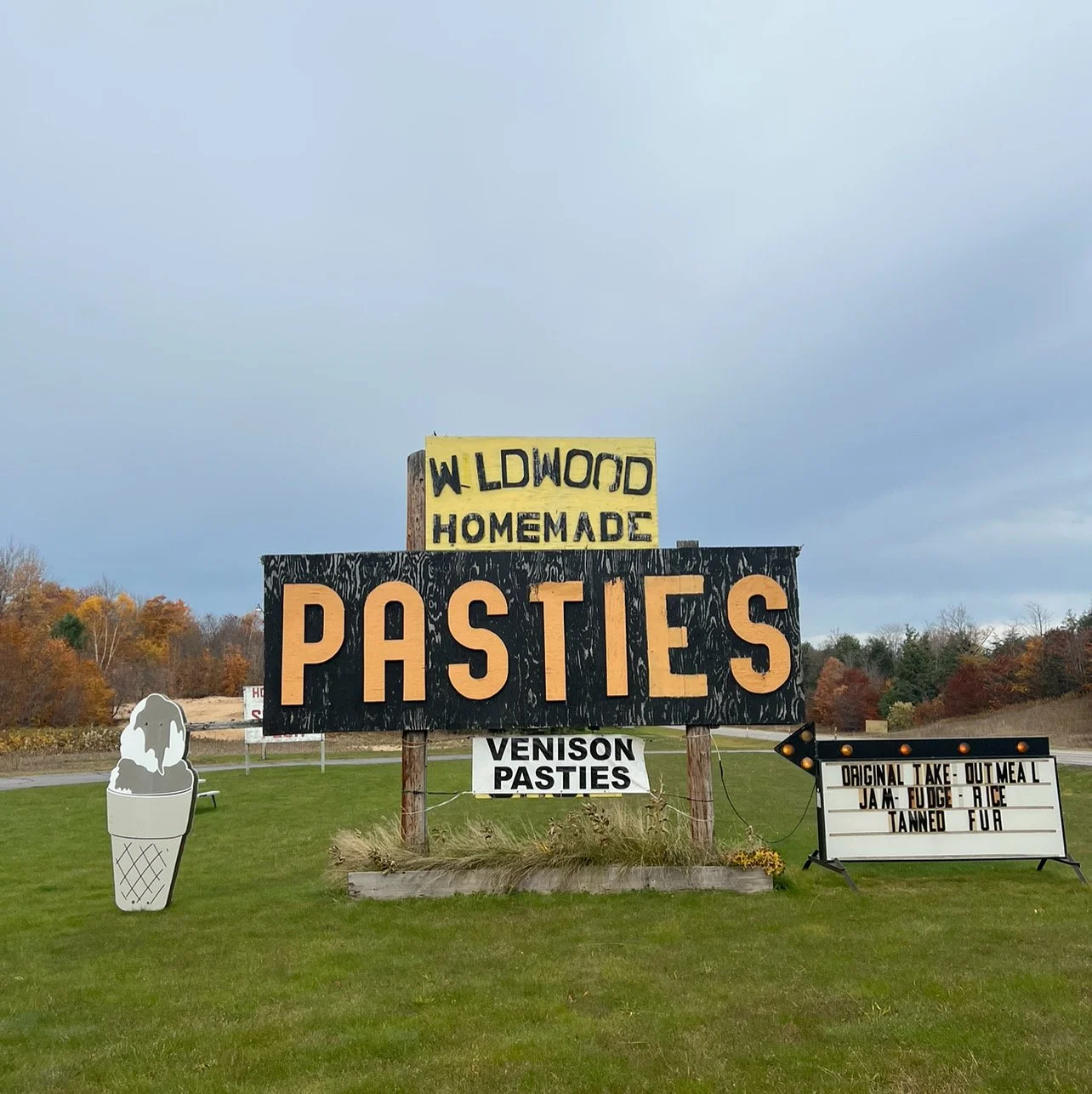
Superior Type Series began as a way of learning to see typography in the world rather than only on the page or screen. While studying graphic design, I started photographing and documenting historic lettering across my home landscape in Michigan’s Upper Peninsula—ghost signs, neon, hand-painted storefronts, and utilitarian type embedded in the built environment.
At the same time, I was working within a museum collection, where cataloging, classification, and close observation were part of daily practice. That way of seeing shaped the project early on. Each photograph became not just an image, but a record, an act of preservation that treated vernacular typography as a cultural artifact tied to place, labor, and community memory.
The project gained renewed focus after hearing Louise Fili speak at an AIGA conference in Minneapolis, Minnesota, where she emphasized the importance of regional typographic identity and the value of looking beyond dominant design centers. That moment clarified the direction of the work: to center typography from the Great Lakes region and treat it as a meaningful, place-based design language.
Superior Type Series
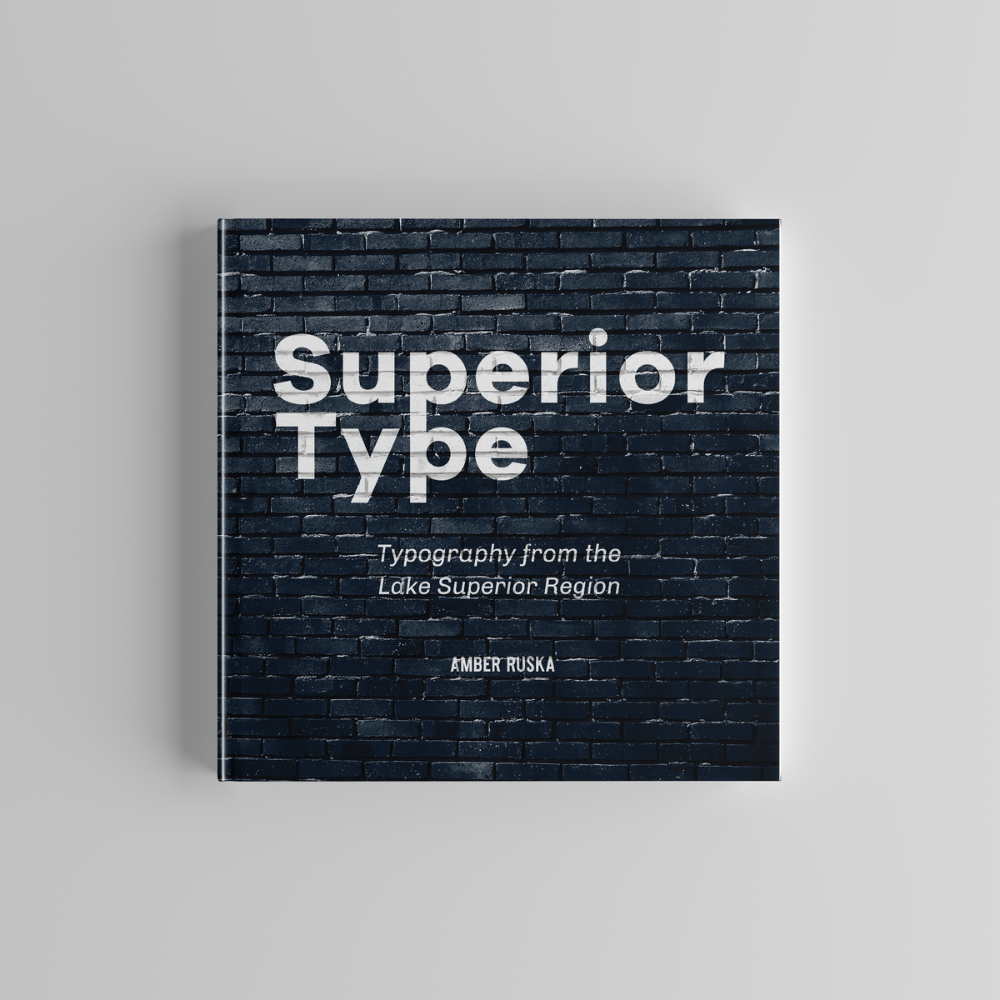
Personal Project. 2015-Ongoing.Superior Type, Edition One (2018) exists as a self-published photobook and represents the first chapter of the project. From the beginning, the long-term goal has been a comprehensive coffee-table book—one that allows the typography of the Great Lakes region to be experienced and appreciated wherever you are in the world, independent of geography, season, or borders.
Today, Superior Type Series is an ongoing, body of work documenting vernacular typography throughout the Great Lakes, with a particular focus on Lake Superior. Through sustained fieldwork, photography, and written interpretation, the project explores how letterforms become part of landscape, history, memory, and collective identity—and how they endure, weather, and disappear over time.
© 2015 Amber Ruska. Superior Type Series is an original, ongoing body of work. All photographs, videos, text, research, and graphic materials on this site and on platforms shared by the artist are protected by U.S. and International copyright laws. While shared landscapes are public, the selection, framing, interpretation, language, and presentation of this work are original and protected. Direct imitation, duplication, or close emulation of this project’s imagery, written content, or conceptual structure is not permitted without prior written permission. Unauthorized use may result in legal action, or claims for damages under applicable copyright laws.